Stop Adding Amenities. Start Designing Experiences.
Stop Adding Amenities. Start Designing Experiences.
When short-term rental owners think about upgrading a property, the conversation often starts with amenities.
Should we add a hot tub? A game room? A fire pit? A theater? A pickleball court?
Those can all be worthwhile investments. But the better starting point is not what we should add; it is:
What would make the right guest choose this property over a different one?
That shift matters because more amenities do not automatically create more value. The best upgrades are the ones that support the guest experience, strengthen the listing, and help the property compete more effectively in its market.
At Design Lift Studio, we look at amenities as part of the overall property strategy, not as a checklist.
Start With the Target Guest
Before deciding what to add, get clear on who the property is designed to serve.
Different guests value different things.
For example:
Families may prioritize pools, games, flexible sleeping arrangements, outdoor dining, and gathering spaces.
Groups of friends may respond more to entertainment areas, bars, fire pits, hot tubs, and social spaces.
Remote workers and mid-term guests may care more about strong Wi-Fi, real workspaces, comfortable seating, storage, and charging access.
Wellness-focused travelers may value quiet spaces, natural light, comfortable bedrooms, fitness features, and restorative details.
The amenity should follow the guest. Not the trend.
It is easy to invest in something because it is popular online. But if your target guest does not value it, the upgrade may not create the return you expected.
Understand What Your Market Already Offers
The next step is competitive research.
Look at the strongest comparable listings in your area and ask:
What amenities show up consistently?
Which features seem standard at your price point?
What are the top listings doing differently?
Where are competitors creating memorable experiences?
What gaps still exist in the market?
This helps separate expected amenities from true differentiators.
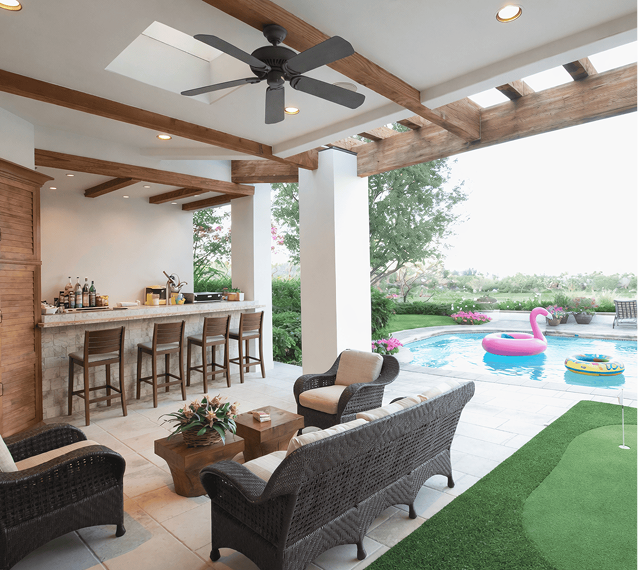
If most comparable properties already have a pool, for example, a pool may simply be necessary to compete. It may not be the feature that makes your listing stand out.
The opportunity is in how you build the experience around it.
Instead of asking:
“Do we have a dining table?”
Ask:
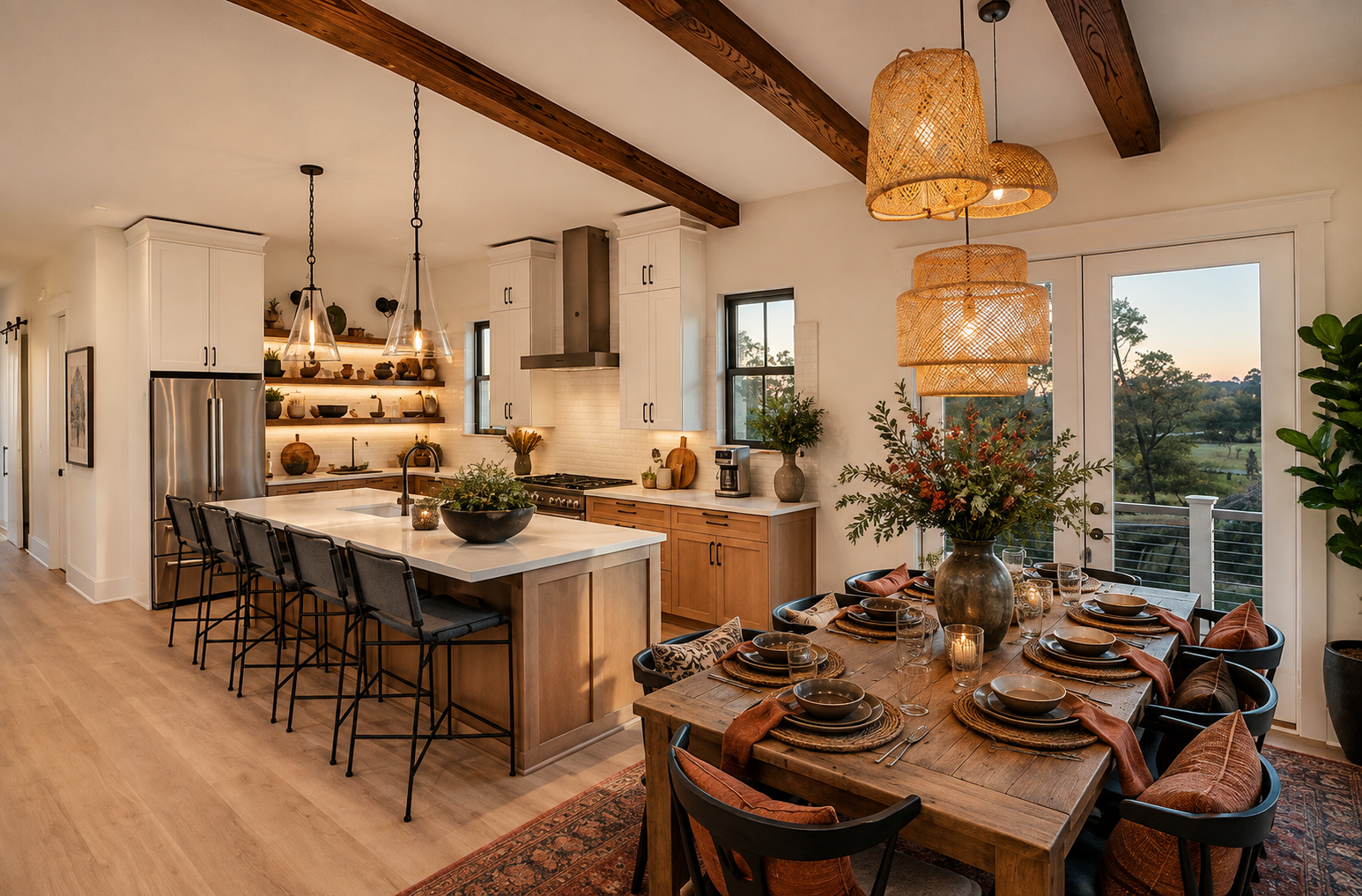
“Does the dining area give everyone a comfortable place to gather and eat together?”
For a rental designed to host larger groups or families, the dining space should comfortably seat the property's intended guest count whenever possible. That may mean choosing the right-sized table, adding enough chairs, improving the lighting, and creating a layout that makes shared meals feel easy and inviting.
The dining table itself is only one part of the experience. The goal is to create a space where guests can naturally come together, share meals, and enjoy time as a group.
Think in Experiences, Not Just Features
A lot of rentals technically have amenities. The difference is whether those amenities feel intentional.
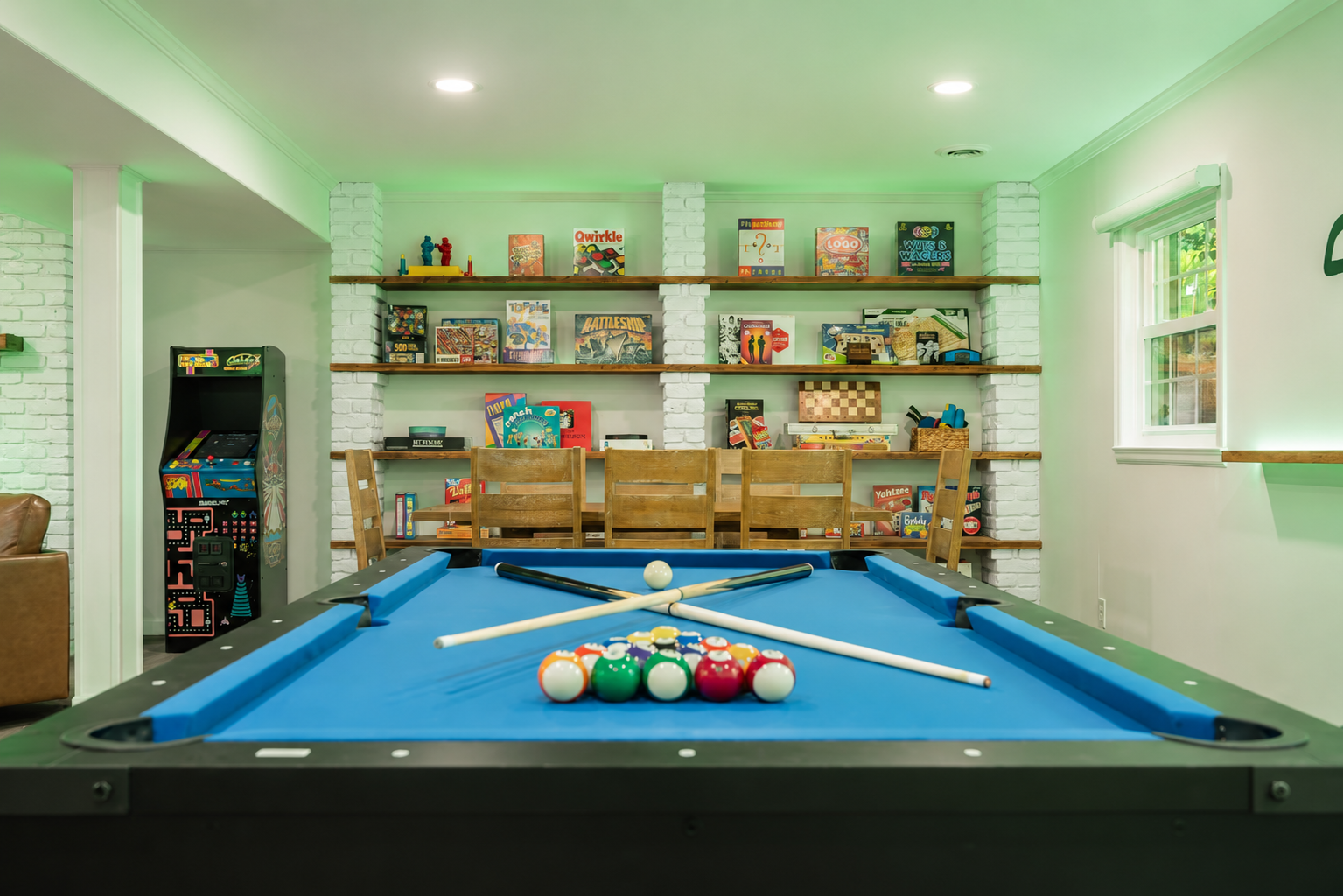
You can place a pool table in an empty garage and call it a game room, or you can create a true entertainment space with comfortable seating, layered lighting, multiple games, artwork, a defined theme, and enough room for people to gather.
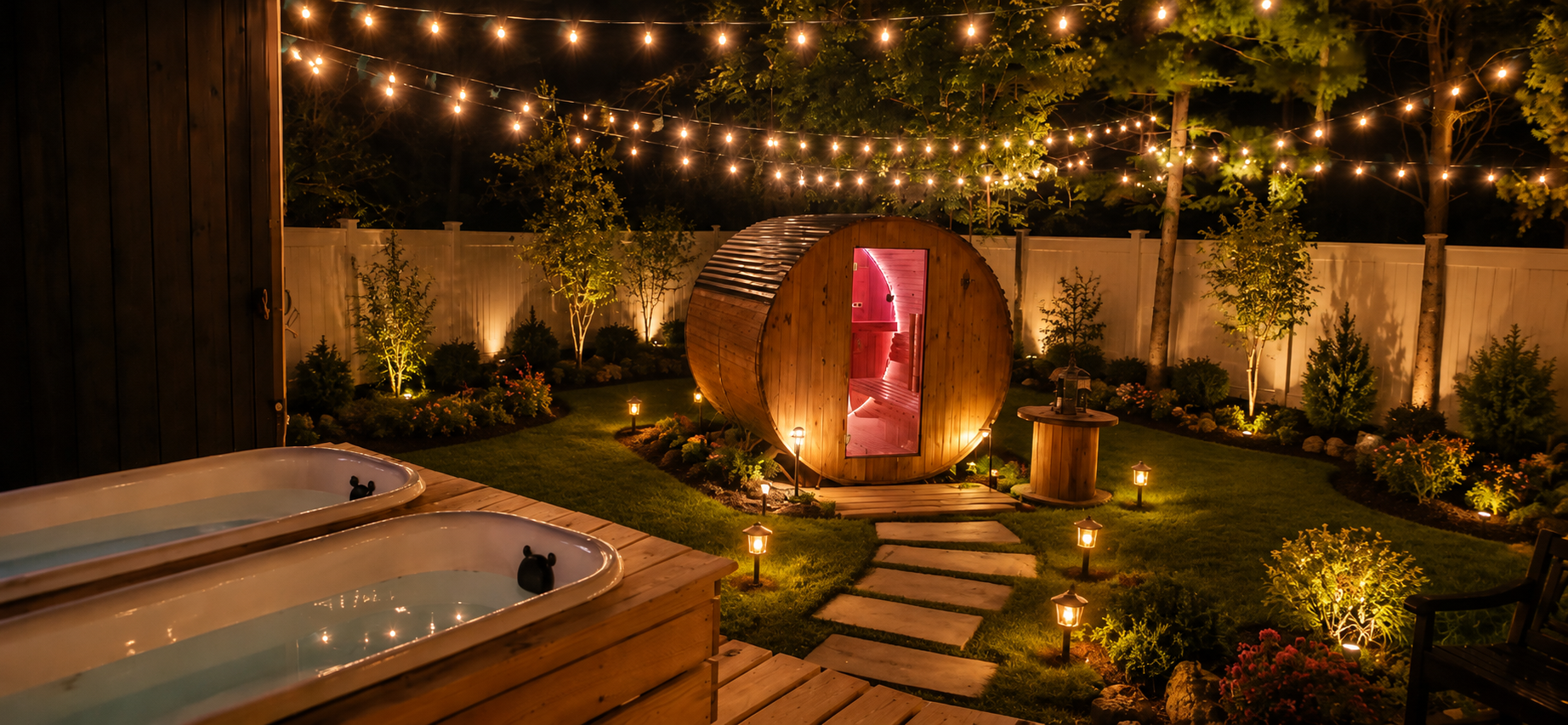
The same principle applies throughout the property. A hot tub on an empty concrete patio is functional, but a hot tub with privacy, ambient lighting, lounge seating, and thoughtful landscaping feels like part of the vacation.
Guests remember experiences more than individual products. They remember sitting outside together at night, the kids enjoying the game room, having coffee in a well-designed morning space, gathering around the dining table, or relaxing in a bedroom that feels calm and comfortable.
That is where STR design becomes more than decoration. The space should support the way guests want to experience the trip.
Invest More in the Spaces That Matter Most
One mistake I see often is spreading the budget evenly across the entire property.
Not every room needs the same level of investment.
Some spaces influence the guest experience and booking decision more than others.
Prioritize Gathering Spaces
The living room should comfortably support the number of guests the property is designed to host.
It can photograph beautifully, but if half the group has nowhere to sit, the design is not working.
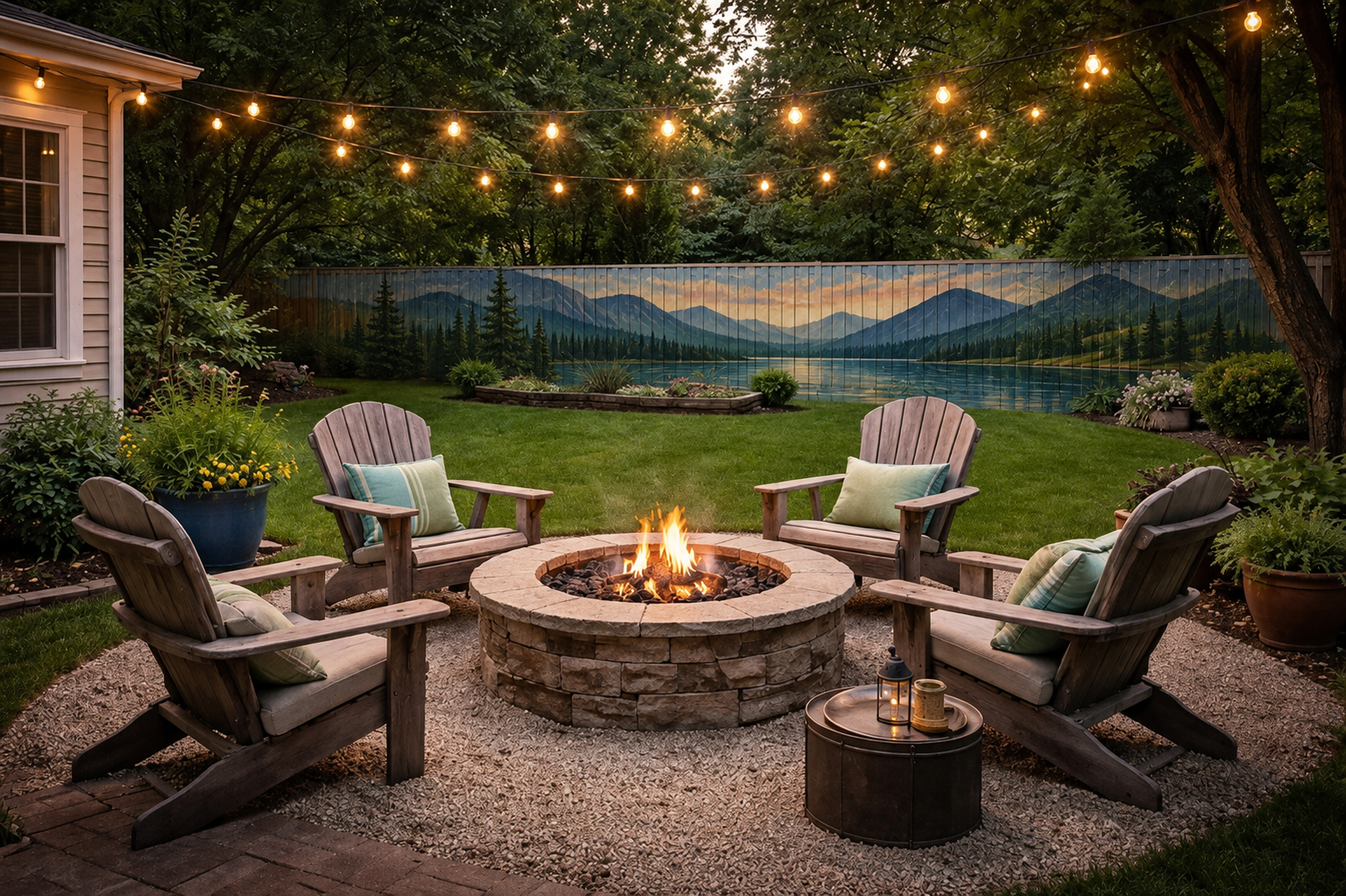
Take Outdoor Spaces Seriously
In leisure markets, outdoor areas can become major booking drivers.
That may include:
Pools
Fire pits
Outdoor dining
Lounge areas
Games
Grills
Wellness areas
Covered seating
These spaces often give guests another reason to choose one property over a similar listing.
Use Specialty Spaces Strategically
Game rooms, theaters, offices, gyms, bars, reading areas, and wellness rooms can create differentiation when they fit the target guest.
The key is relevance.
Do not add a specialty space simply because it looks impressive.
Add it because it supports the guest and strengthens the property’s positioning.
Not Every High-Value Amenity Is Expensive
A strategic amenity does not always require a renovation.
Sometimes smaller additions improve the guest experience because they solve real problems.
Examples include:
Bedside charging
Blackout curtains
Luggage storage
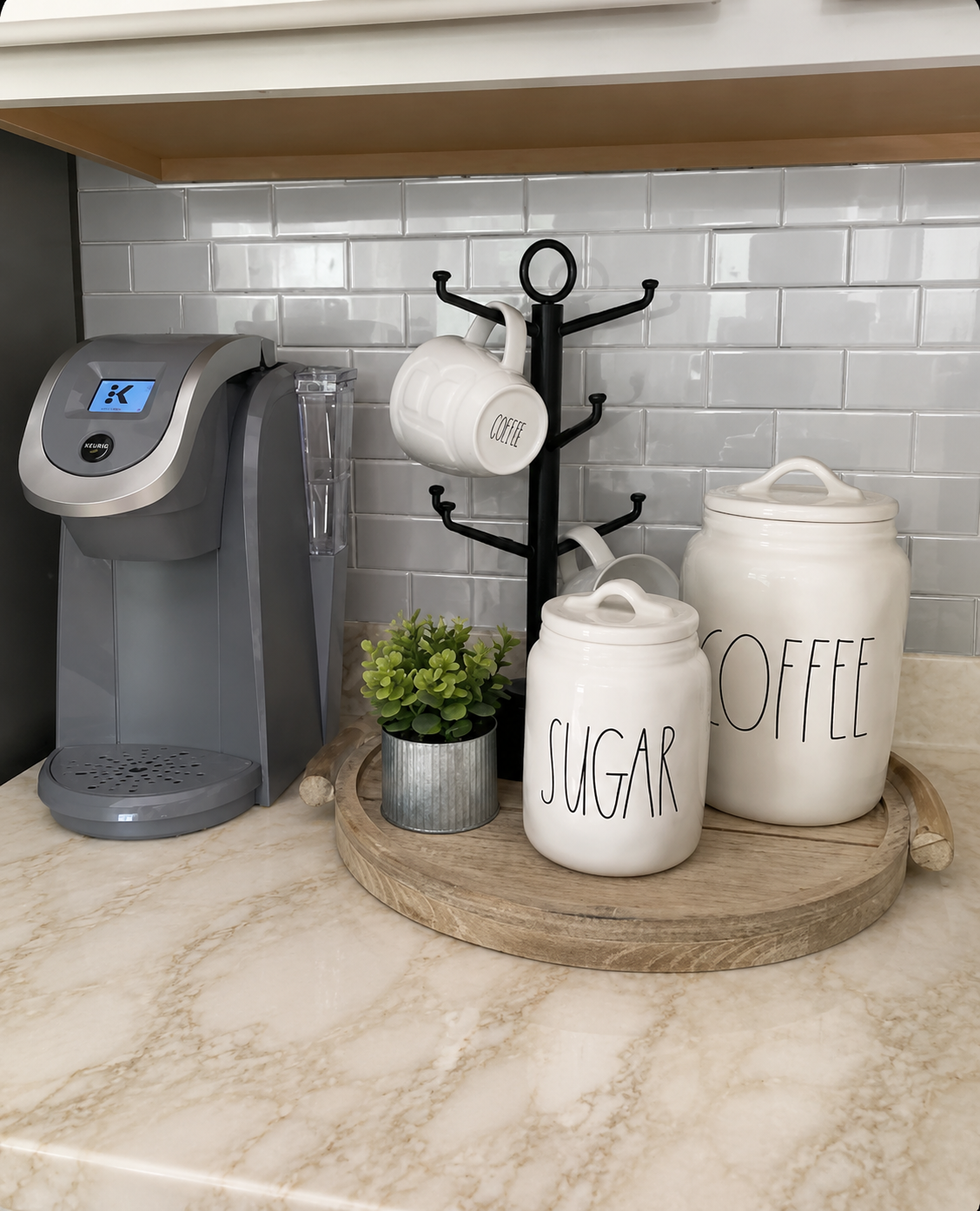
A well-designed coffee station
Pet-friendly features
A functional workspace
Accessible storage and pathways
These may not be the most dramatic upgrades, but they can make the property feel more thoughtful and easier to use.
Make Sure the Amenities Help Sell the Listing
A property has to perform before the guest ever arrives. Most guests experience the rental through photos first, so your strongest amenities should also support the marketing strategy. If you invest in a great feature but bury it near the end of the listing or photograph it poorly, you are limiting its value.
Show guests how the space is meant to feel and be used. Photograph the fire pit at night, set the dining table for a group, stage the game room so it feels ready for play, make the coffee station look intentional, and present the pool and outdoor areas as part of the overall guest experience.
The listing should help guests imagine themselves there. The property really has two jobs: it has to perform online first, then it has to perform during the stay.
Before You Add Another Amenity, Ask These Questions
Before investing in the next upgrade, consider:
Does my target guest actually care about this?
Is this expected in my market or will it differentiate the property?
Will guests realistically use it?
Does it improve the experience enough to justify the cost?
Will it strengthen the listing photography and marketing?
Is it durable and practical to maintain?
Does it support the overall positioning of the property?
If you cannot answer those questions clearly, it may be worth reconsidering the investment.
At Design Lift Studio, this is how we approach short-term rental design through 'The Design Lift Method'.
The process is not just about furniture, decor, or adding more features.
We look at the guest profile, functionality, design, amenities, marketability, and overall experience together.
Because the goal is not to fill the property with more things, it is to give guests more reasons to book it.
Ready to Strengthen Your Rental Strategy?
If you are planning a short-term rental refresh, redesign, or new property setup, Design Lift Studio can help identify which upgrades are worth prioritizing and where your budget can have the greatest impact.
The right design decisions should do more than improve how the property looks. The right amenities should help the property compete.
About the Author:
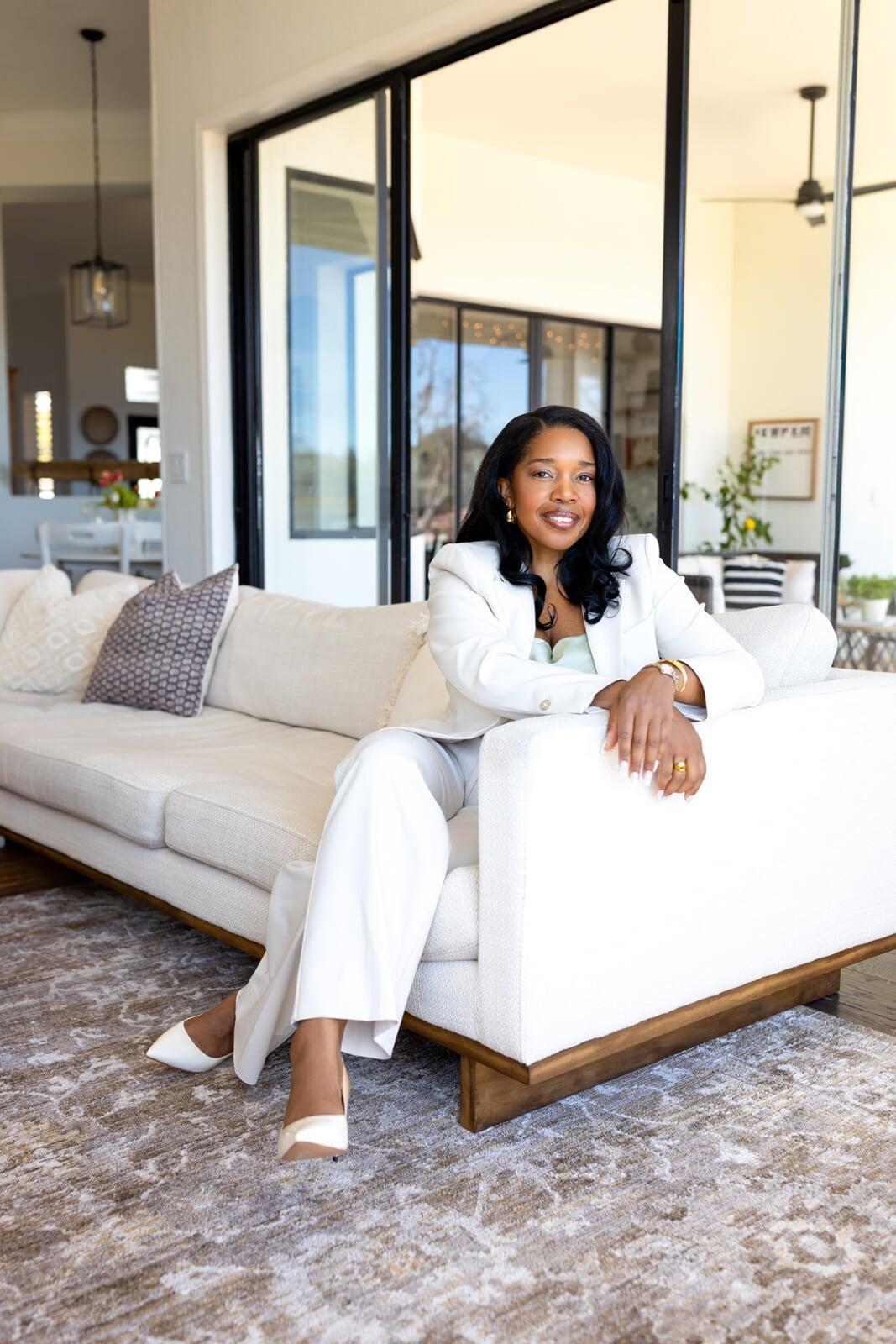
Jeru Barnes is the Founder & CEO of Design Lift Studio, where she leads ROI-driven home staging and vacation rental design for real estate professionals and investors. With a multidisciplinary background spanning fashion design, UX/UI, and interior redesign, she brings a performance-focused approach to how spaces look, feel, and function.
Backed by certifications in home staging and vacation rental design, and supported by a network of industry professionals, Jeru has built a studio designed to execute with both creative precision and investor-level strategy, helping properties sell faster, perform better, and deliver long-term value.